
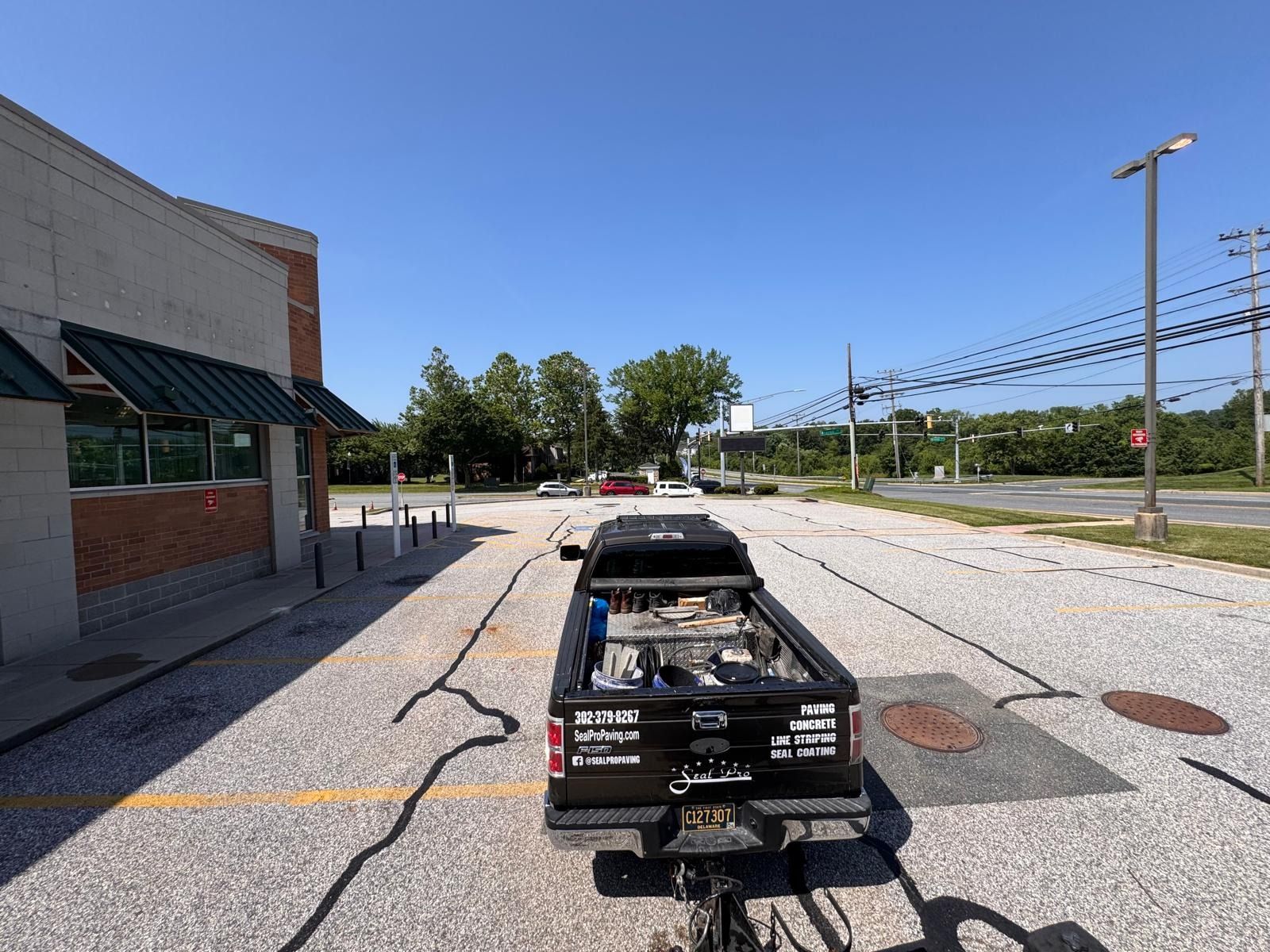
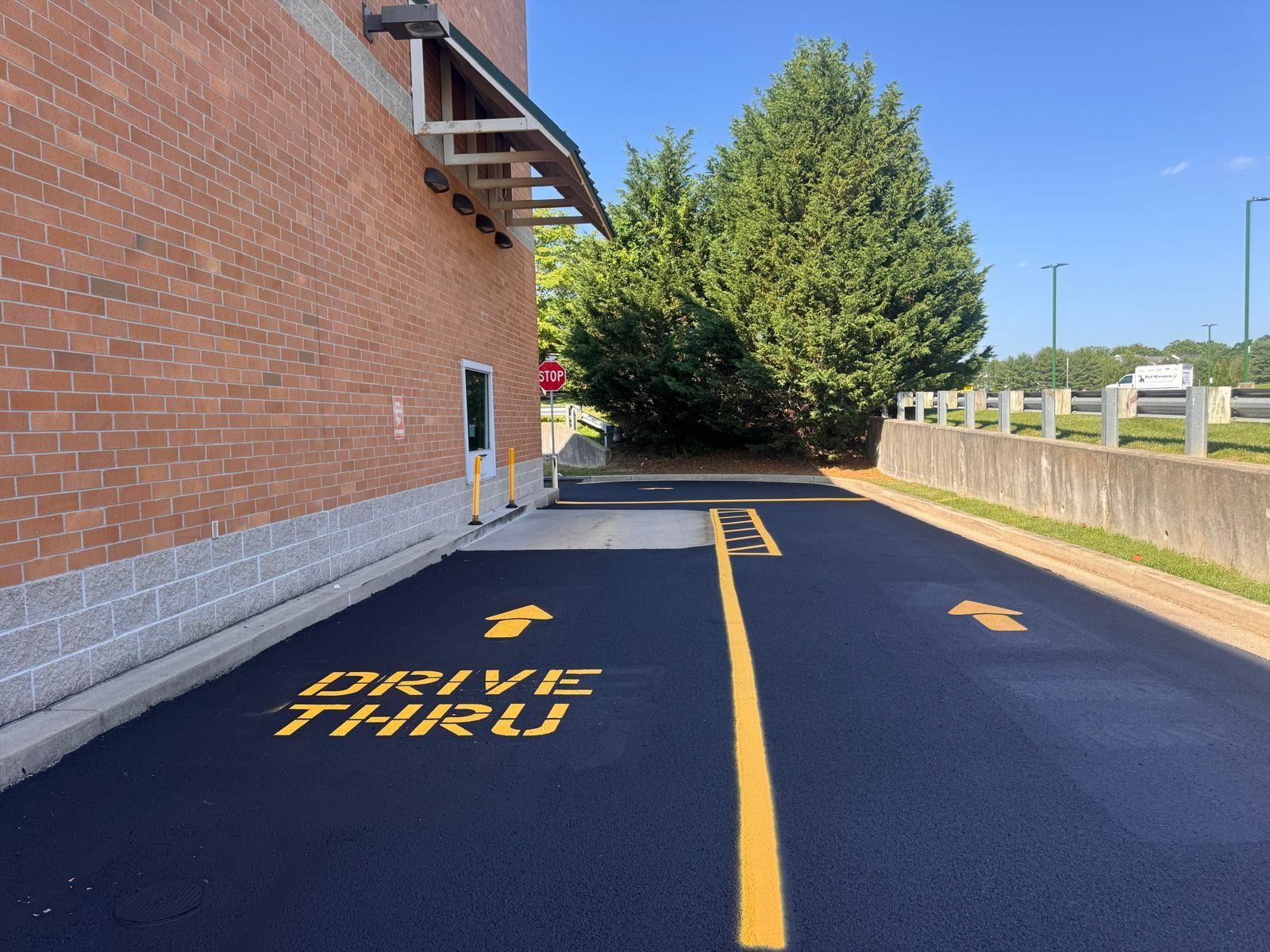
Penetrating sealers reduce freeze-thaw damage and salt scaling. Timing and surface prep are key for a clean, natural look. Penetrating sealers help resist de-icing salts and moisture. Surface must be clean and dry; avoid film-forming products if you want a natural finish. Repair spalls and cracks before sealing. Choose breathable, penetrating silane/siloxane blends. Reapply as recommended by product exposure.
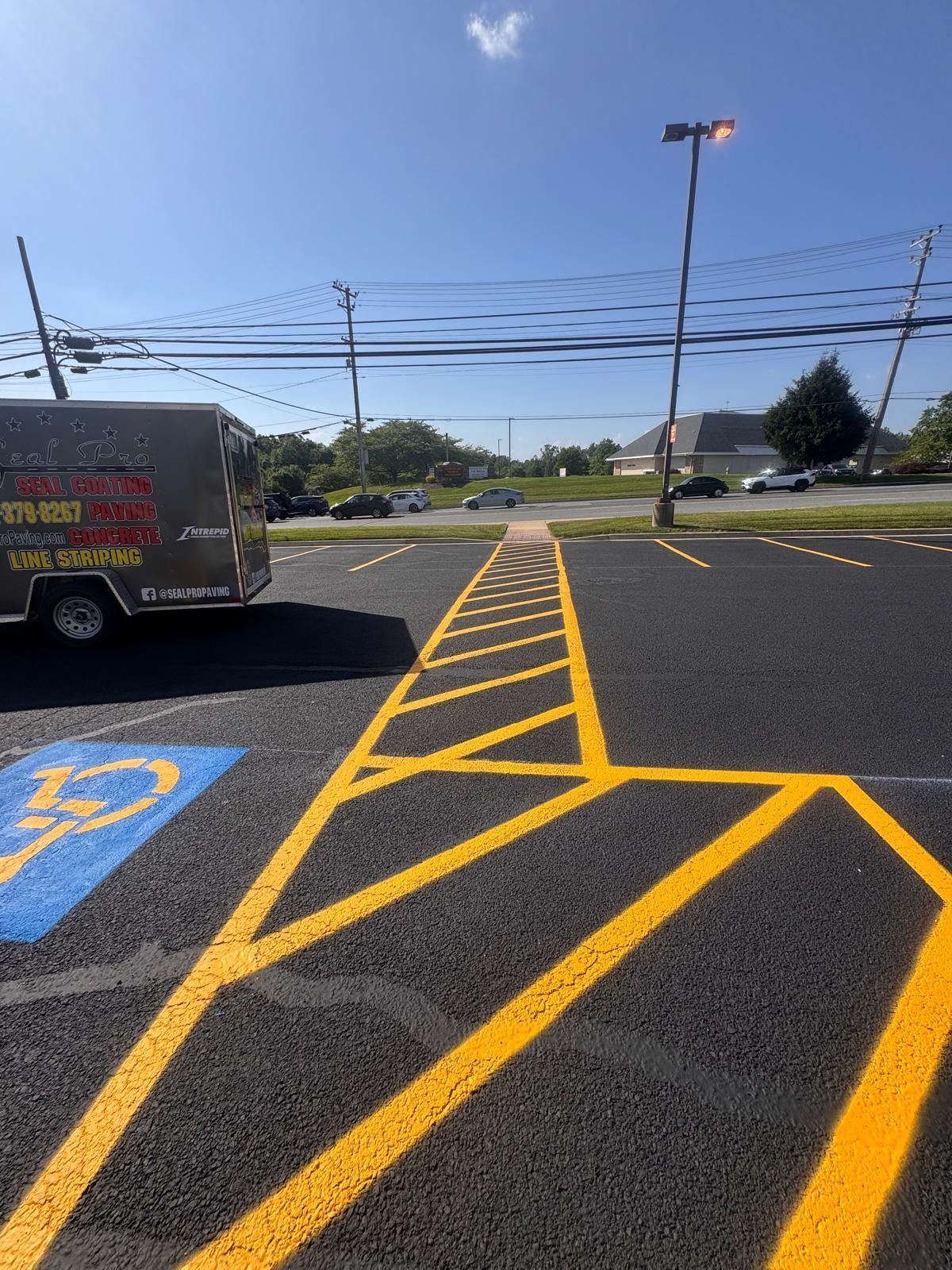
From skin patch to full-depth repairs, we match the method to the cause: sub-base issues, oxidation, or drainage—so the fix actually lasts. Patching addresses localized problems; resurfacing (overlay) handles widespread surface distress. We evaluate base, age, and traffic to recommend the most cost-effective solution. Full-depth patch for base failures. Milling + overlay to correct grades and smoothness. Sealcoat post-repair for uniform look and protection.
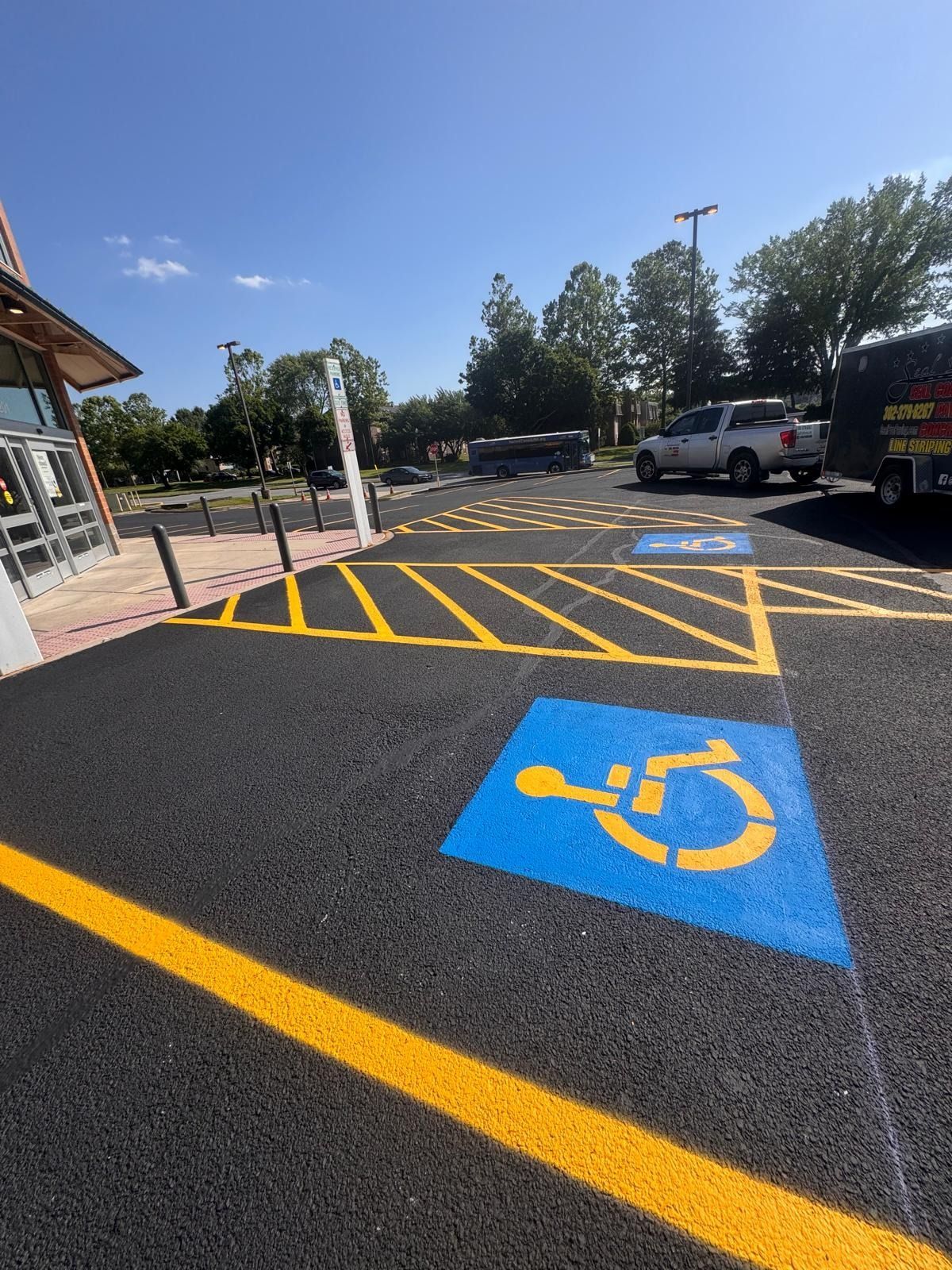
Routine crack-fill + annual inspection prevents water intrusion and base failures—reducing downtime and protecting your investment. Annual inspections catch cracks, raveling, and drainage issues early. Strategic crack-fill + selective patching prevents sub-base damage. Prioritize heavy-turn zones and entries/exits. Thermoplastic & epoxy options for high-wear markings. Night/Weekend scheduling available to reduce downtime.

