
Penetrating sealers reduce freeze-thaw damage and salt scaling. Timing and surface prep are key for a clean, natural look. Penetrating sealers help resist de-icing salts and moisture. Surface must be clean and dry; avoid film-forming products if you want a natural finish. Repair spalls and cracks before sealing. Choose breathable, penetrating silane/siloxane blends. Reapply as recommended by product exposure.
From skin patch to full-depth repairs, we match the method to the cause: sub-base issues, oxidation, or drainage—so the fix actually lasts. Patching addresses localized problems; resurfacing (overlay) handles widespread surface distress. We evaluate base, age, and traffic to recommend the most cost-effective solution. Full-depth patch for base failures. Milling + overlay to correct grades and smoothness. Sealcoat post-repair for uniform look and protection.
Routine crack-fill + annual inspection prevents water intrusion and base failures—reducing downtime and protecting your investment. Annual inspections catch cracks, raveling, and drainage issues early. Strategic crack-fill + selective patching prevents sub-base damage. Prioritize heavy-turn zones and entries/exits. Thermoplastic & epoxy options for high-wear markings. Night/Weekend scheduling available to reduce downtime.
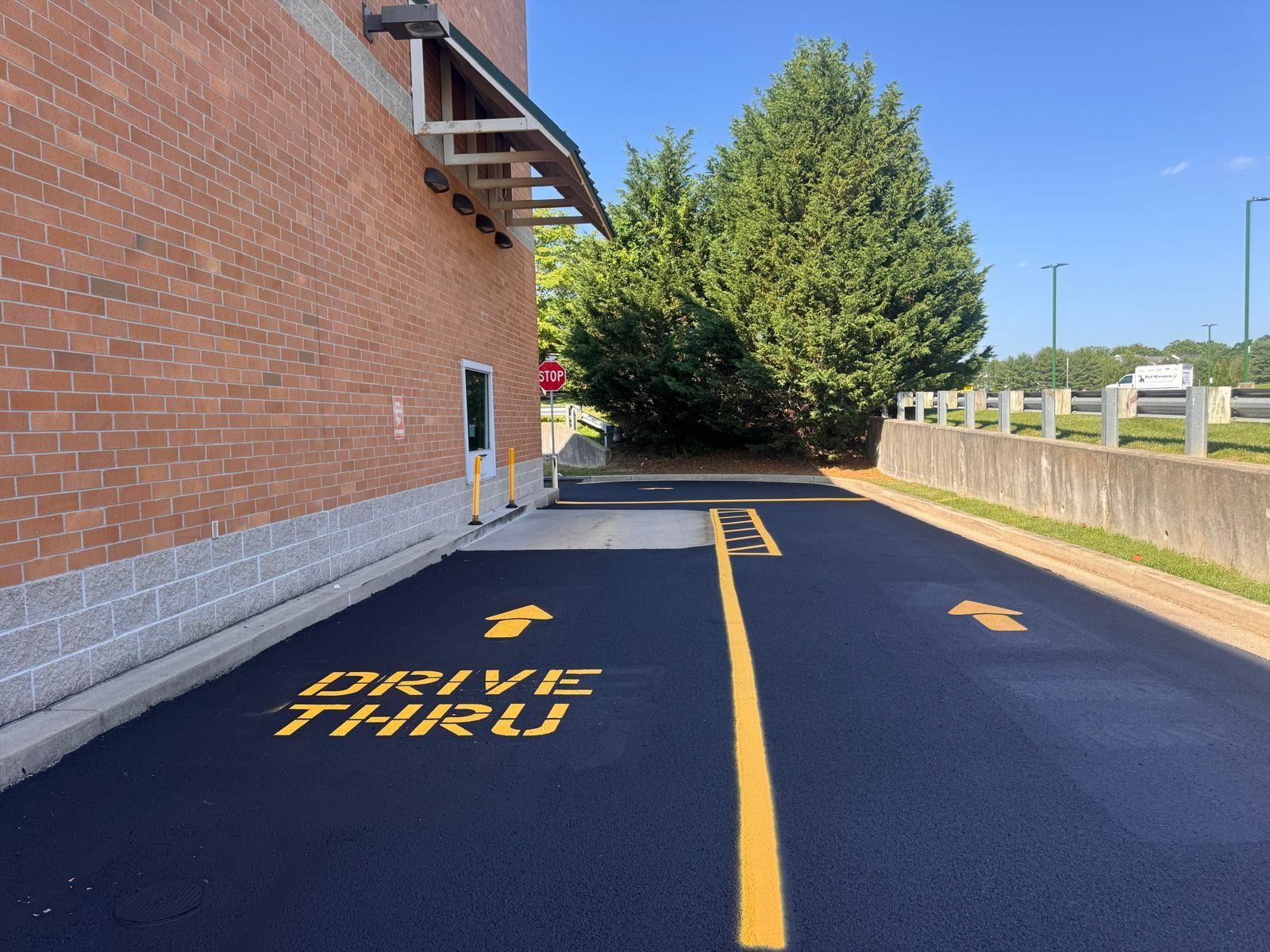
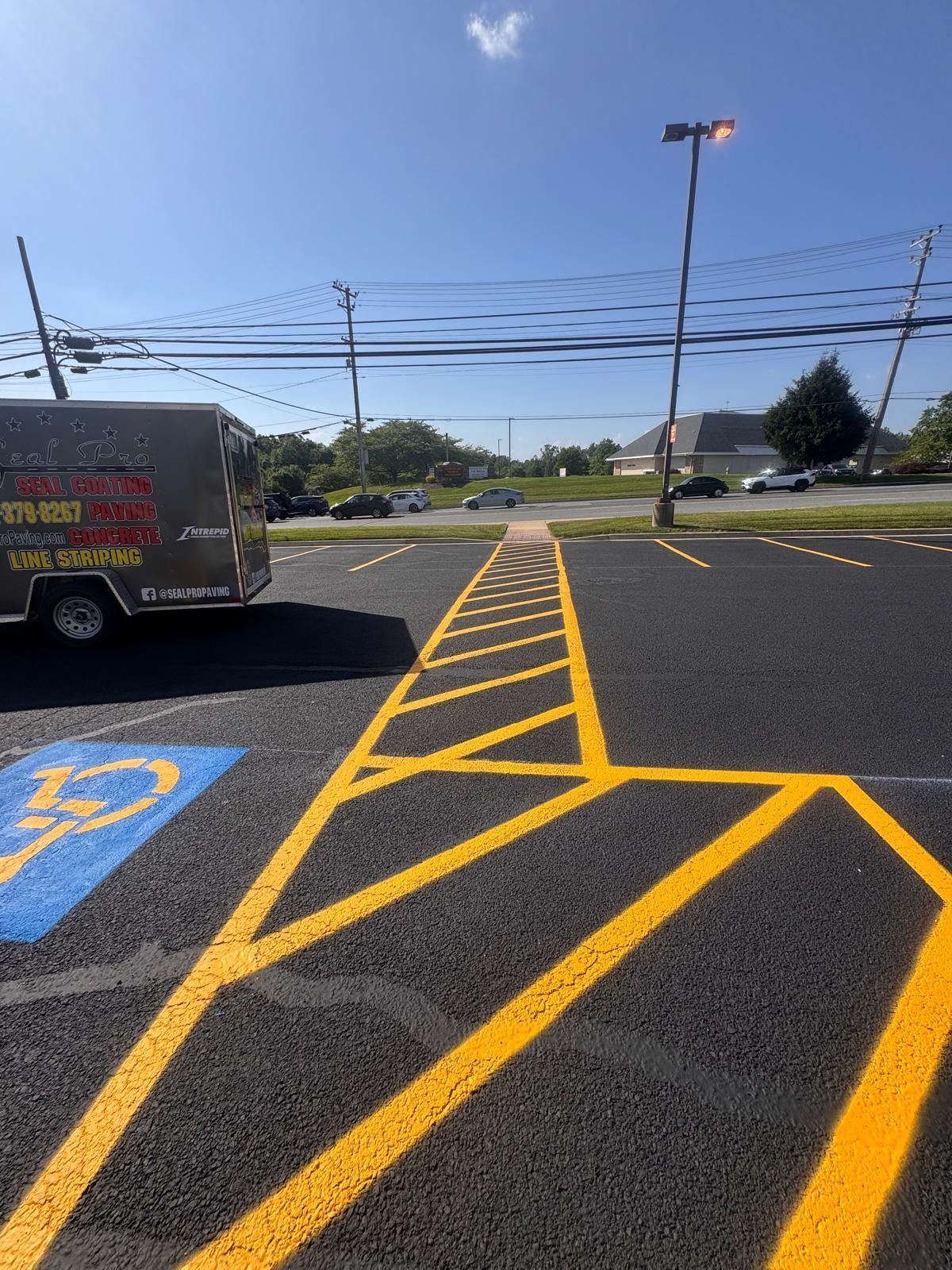
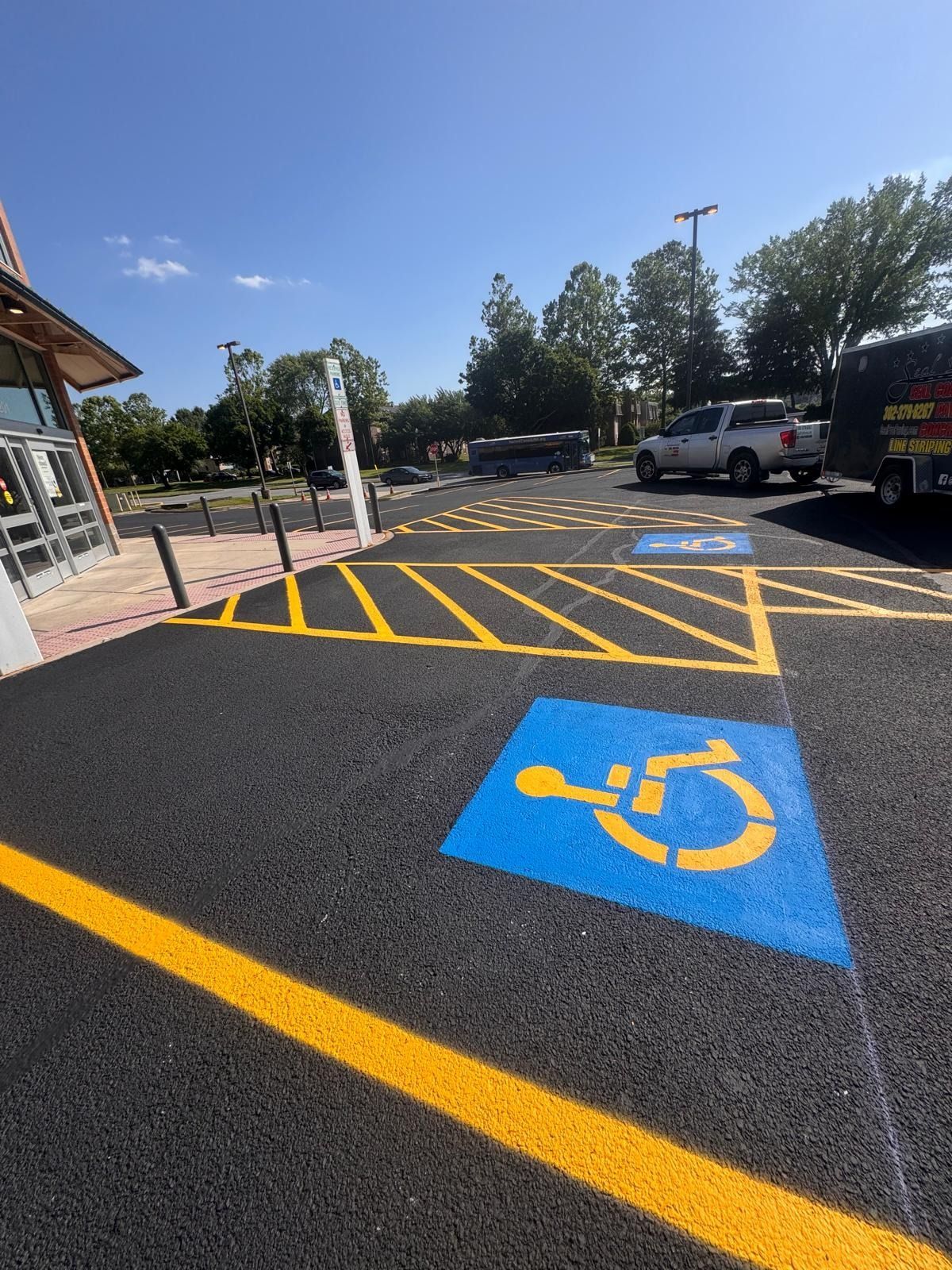
Crisp, high-contrast markings improve safety and traffic flow. We use durable paints and lay-out methods for ADA, fire lanes, and high-turnover lots. Good layout maximizes capacity and ADA compliance. We use high-visibility paints and prep for clean adhesion after sealcoating. ADA stalls, access aisles, and signage placement. Fire lanes, stop bars, and arrows for traffic clarity. Periodic restriping keeps contrast high and lots safer.
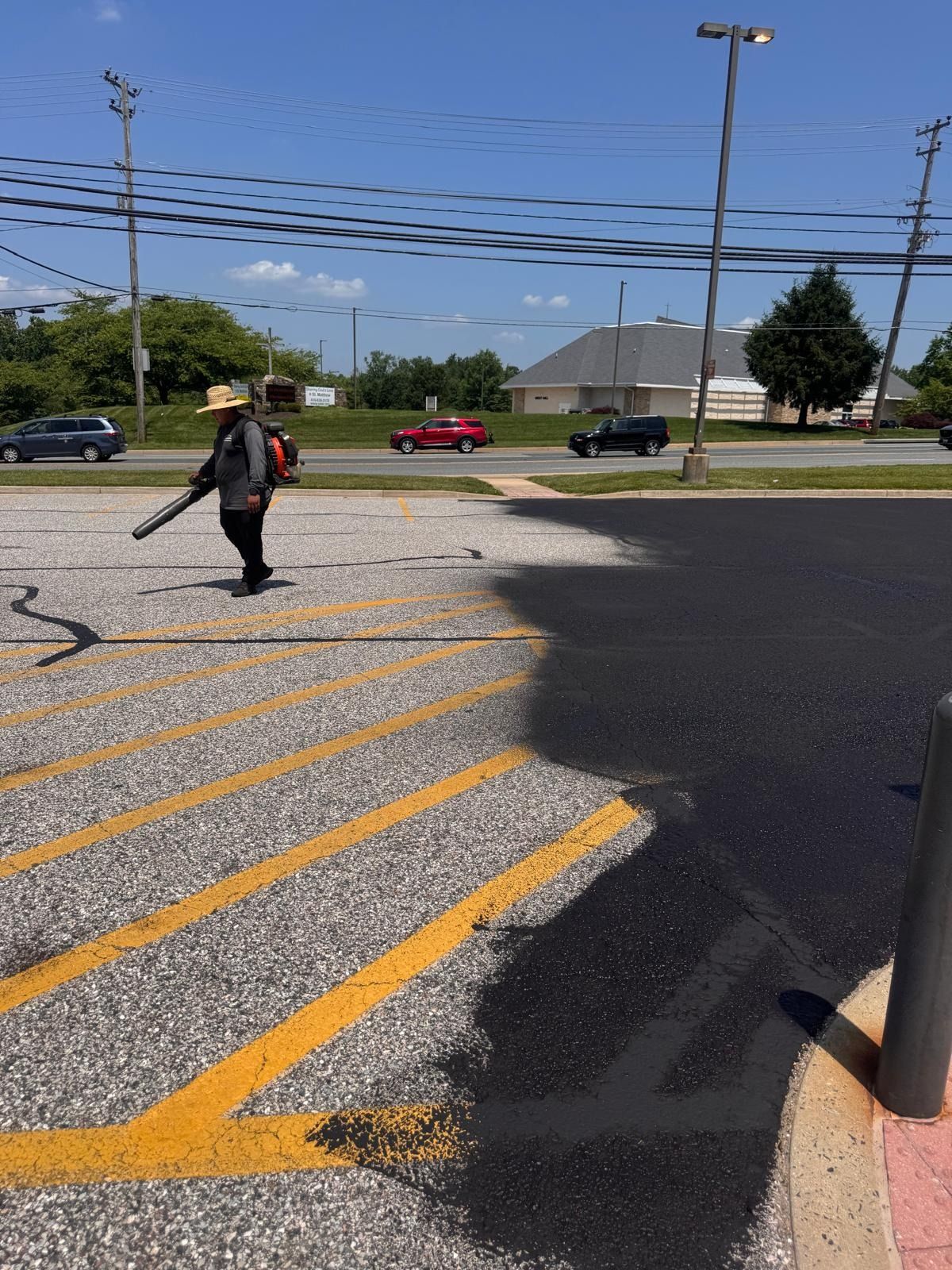
UV rays, oil, and water are asphalt’s worst enemies. A proper sealcoat cycle and edge-to-edge coverage can add years to your pavement’s lifespan. Sealcoating shields asphalt from oxidation and chemical spills while restoring deep color. Typical cycles are every 2–3 years depending on traffic and exposure. Crack-fill before sealcoating to block water intrusion. Edge-to-edge coverage; two thin coats > one heavy coat. Respect cure times; open too early and scuffing occurs.
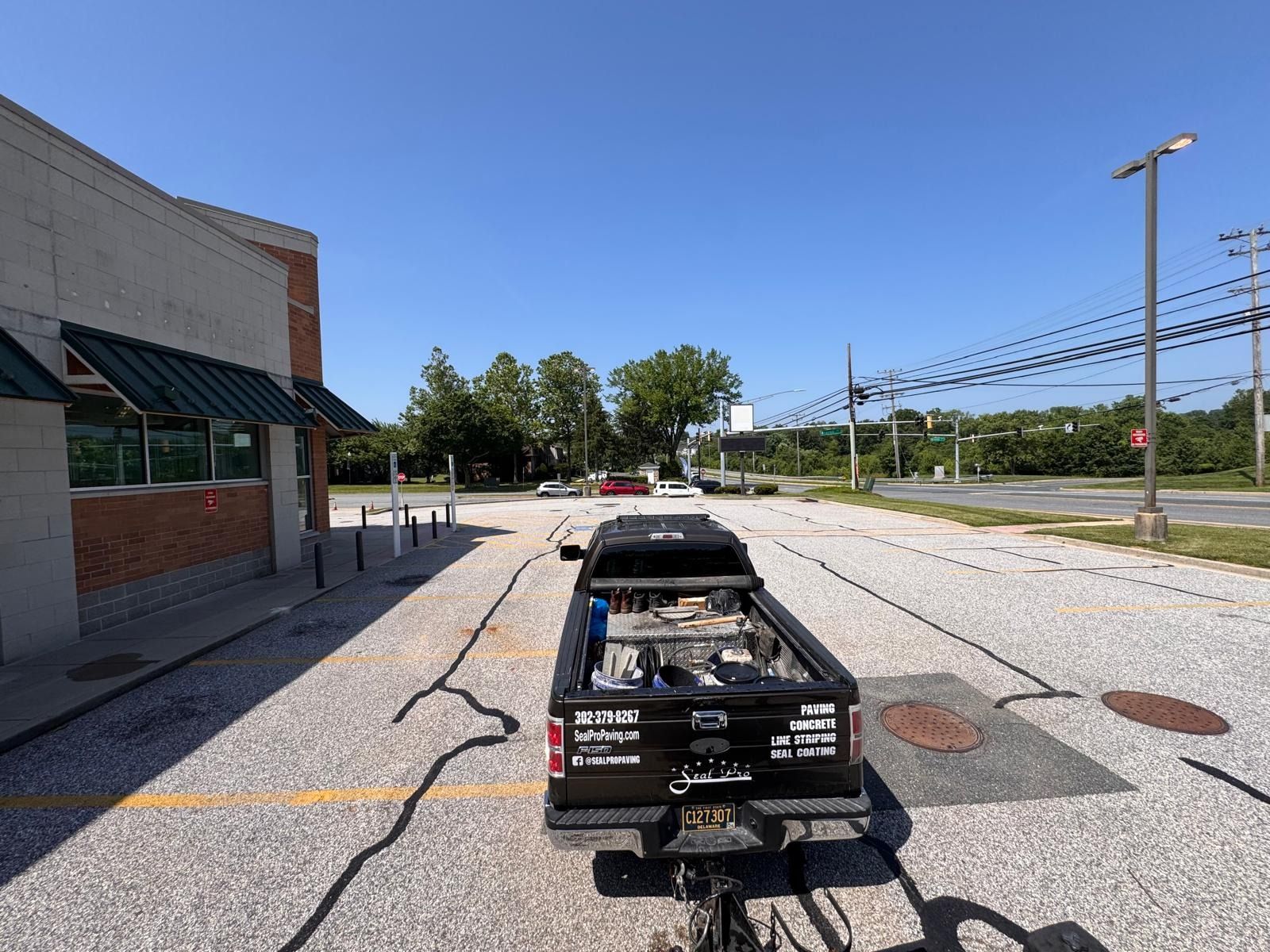
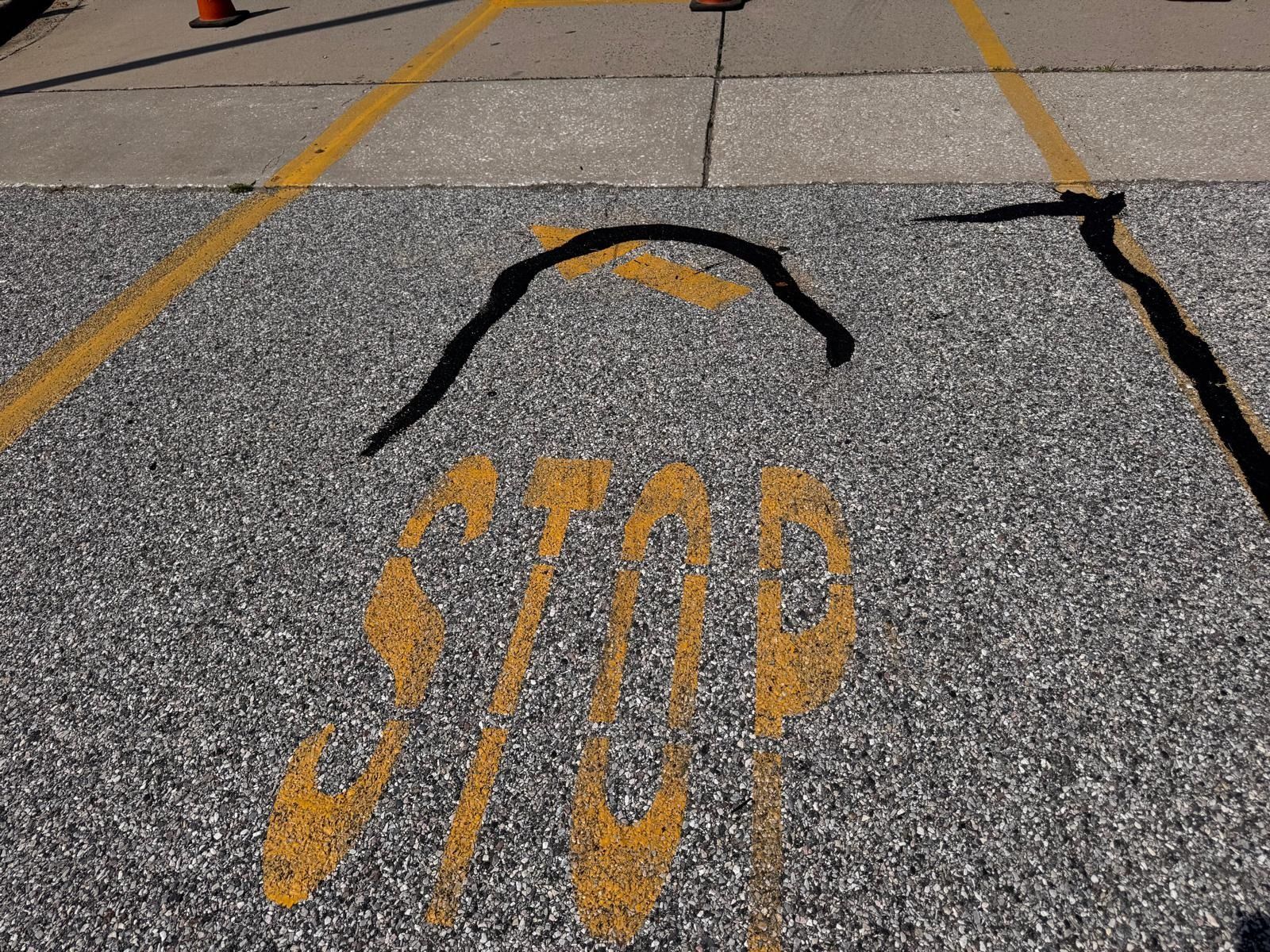
Cracks, potholes, and drainage issues reduce safety and property value. Learn when to patch, resurface, or replace—and how proper base prep saves money long-term. When to patch vs. resurface: small isolated cracks and potholes can be infrared or hot-mix patched; widespread alligator cracking often indicates base failure—resurfacing with proper milling and tack coat is the durable route. Fix drainage first (standing water = recurring failures). Clean cuts and compaction are critical for long-lasting patches. Finish with sealcoating to protect from UV and fluids.

